A Running Toilet Is a Small Problem That Can Become Expensive
That steady hiss from the bathroom can be easy to ignore, especially when you are busy getting ready for work or school. But a toilet that runs between flushes may waste hundreds of gallons of water each week, and the noise often indicates a worn flapper, faulty fill valve, or poorly adjusted float.
For homeowners in Perrysburg, Ohio, the repair is often straightforward enough to diagnose at home. Our Fixo team handles practical plumbing repairs throughout Downtown Perrysburg, Levis Commons, Three Meadows, Eagle Lakes, Riverford, and Fort Meigs. We have seen the same issues in newer and older homes alike, including toilets affected by mineral buildup, aging rubber parts, and small shutoff-valve leaks.
This guide will help you identify the cause, attempt the right repair, and recognize when it is time to stop troubleshooting. If the tank or supply line is leaking onto the floor, shut off the water and contact a professional rather than letting a minor repair become flooring or drywall damage.
Start by Listening and Looking
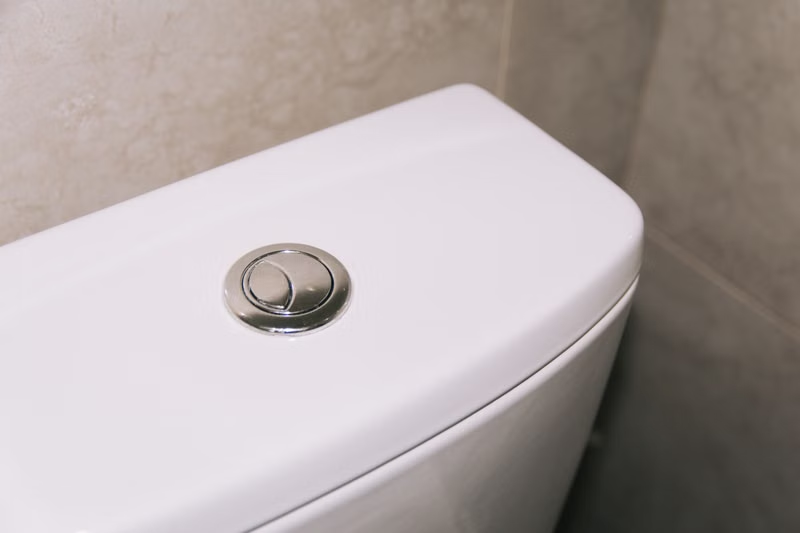
Before removing any parts, take a quiet moment to determine what the toilet is doing. A brief refill after a flush is normal. Continuous hissing, periodic refilling when nobody has used the toilet, or water rippling in the bowl points to a problem.
Remove the tank lid carefully and check the water level. It should usually sit about one inch below the top of the overflow tube, although the manufacturer’s marked waterline is the best reference. If the water is visibly flowing into the overflow tube, the float or fill valve is allowing the tank to overfill. If the tank level drops while the toilet is unused, the flapper or flush valve is likely letting water escape into the bowl.
Perrysburg, Ohio Toilet Diagnosis: Find the Source First
Most running-toilet repairs fall into three categories: a leaking flapper, a fill valve that does not shut off, or an incorrectly adjusted float. Diagnosing the part before buying a replacement prevents unnecessary work and helps you choose a compatible repair kit.
Try these quick tests:
- Dye test: Add a few drops of food coloring to the tank and wait 10 to 15 minutes without flushing. If colored water appears in the bowl, the flapper or flush valve seal is leaking.
- Overflow test: Watch the water level while the toilet refills. If water pours into the overflow tube, adjust the float or replace the fill valve.
- Handle test: Gently move the flush handle. If the running stops, the chain may be too tight or the handle may be sticking.
- Supply-line check: Feel around the shutoff valve and flexible supply line. Any moisture, corrosion, or a slow drip requires attention before you continue.
How to Replace a Toilet Flapper
A flapper is the rubber seal at the bottom of the tank. It lifts when you flush and should drop firmly back into place. Over time, rubber can harden, warp, or develop a slimy surface that prevents a watertight seal. Cleaning mineral buildup may help temporarily, but replacement is usually the dependable fix.
- Turn the shutoff valve clockwise until it stops. Flush the toilet and hold the handle down to empty most of the tank.
- Disconnect the chain from the flush lever and unhook the old flapper from the overflow-tube tabs or ears. Take the old part with you when buying a replacement, or note the toilet manufacturer and model.
- Install the new flapper without forcing it. The chain should have a little slack—typically about half an inch to one inch—when the flapper is closed.
- Turn the water back on slowly and test two or three flushes. Confirm that the flapper closes fully and that the toilet stops refilling within a few seconds.
Avoid dropping a heavy cleaning tablet into the tank. Chlorine-based tablets can damage flappers, seals, and other rubber components, creating the same leak you are trying to prevent.
When the Fill Valve or Float Is the Problem
If the tank keeps filling and water is running down the overflow tube, the fill valve is the more likely culprit. Some older valves have a float ball or adjustable arm; newer valves commonly use a sliding cup. Adjust the float according to the markings on the valve, then flush and observe the water level again.
If adjustment does not stop the flow, replace the fill valve. Shut off the water, drain the tank, disconnect the supply line, and remove the retaining nut beneath the tank. Have a towel and small bucket ready because a little water will remain in the tank and line. Install the new valve according to its instructions, tighten the connection by hand plus a small additional turn, and avoid over-tightening the plastic nut.
In our many years of experience helping homeowners, we find that over-tightened plastic fittings and mismatched universal parts cause many repeat leaks. A repair that takes 30 to 60 minutes can become a larger job if the tank cracks or the shutoff valve starts leaking. If the valve is corroded, the toilet is difficult to access, or the supply connection will not loosen, our plumbing repair team can handle the repair without guesswork.
A Practical Repair Checklist for Local Homeowners
Before calling the job finished, check the repair under normal conditions. A toilet can appear fixed until the tank has refilled several times or the bathroom has gone unused for an hour.
- Flush at least three times and watch the flapper close each time.
- Listen for refilling after the tank reaches the marked waterline.
- Check the tank-to-bowl connection, supply line, and shutoff valve for moisture.
- Confirm the handle returns to its normal position and the chain is not catching.
- Perform another dye test after 15 minutes if you replaced or adjusted the flapper.
Fixo serves homeowners across Perrysburg, including Downtown Perrysburg and Fort Meigs, where small plumbing concerns can be especially frustrating in busy family bathrooms. We bring the same practical process to every visit: identify the cause, explain repair options, protect the surrounding area, and leave the work area clean. You can learn more about our full range of handyman services or contact Fixo if the issue needs professional attention.
Know When a DIY Repair Should Stop
A flapper or float adjustment is a reasonable maintenance project, but not every toilet problem is a simple parts replacement. Stop and turn off the water if the porcelain is cracked, the floor is soft, the shutoff valve will not close, or water is leaking from the tank bolts or base.
You should also avoid repeatedly tightening fittings that are already corroded. In homes around Levis Commons, Eagle Lakes, Riverford, and Three Meadows, we regularly find that an inexpensive running-toilet repair is connected to an aging supply line or shutoff valve. Addressing both parts at once can prevent a second emergency visit and protect the bathroom floor.
Frequently Asked Questions
How much water can a running toilet waste?
A small leak may waste several gallons per day, while a toilet with a failed fill valve can waste much more. The exact amount depends on the leak rate, but fixing it promptly helps protect your water bill and prevents unnecessary wear on the plumbing system.
Why does my toilet run for a few seconds every few minutes?
That pattern usually means water is slowly escaping from the tank into the bowl through a worn flapper or flush-valve seal. Fixo recommends a food-coloring dye test first, followed by a compatible flapper replacement if colored water reaches the bowl.
Can I fix a running toilet without turning off the water?
You can inspect the tank without shutting off the supply, but turn the valve off before removing a flapper or fill valve. If the shutoff valve in your Perrysburg home is stuck or begins leaking, do not force it; contact Fixo for a safer plumbing repair.
How long does a toilet repair usually take?
A straightforward flapper or fill-valve replacement commonly takes about 30 to 60 minutes once the correct part is available. Corroded connections, damaged shutoff valves, concealed leaks, or a cracked toilet can extend the work and may require additional parts.
Does Fixo handle plumbing repairs outside central Perrysburg?
Yes. Our team serves Downtown Perrysburg, Levis Commons, Three Meadows, Eagle Lakes, Riverford, Fort Meigs, and nearby Perrysburg-area homes. We can assess the running toilet along with related supply-line or shutoff-valve concerns.
Ready to Stop That Running Toilet?
Contact Fixo today for practical repairs from a local Perrysburg handyman team.